

-
Partager cette page
Seeing yew for the forest: a call to action for improving conservation and restoration of the European yew (Taxus baccata L.)
Piloté par Mélanie Saulnier
Abstract :
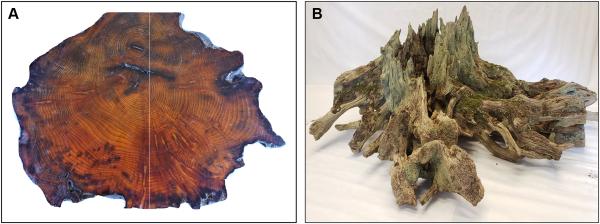
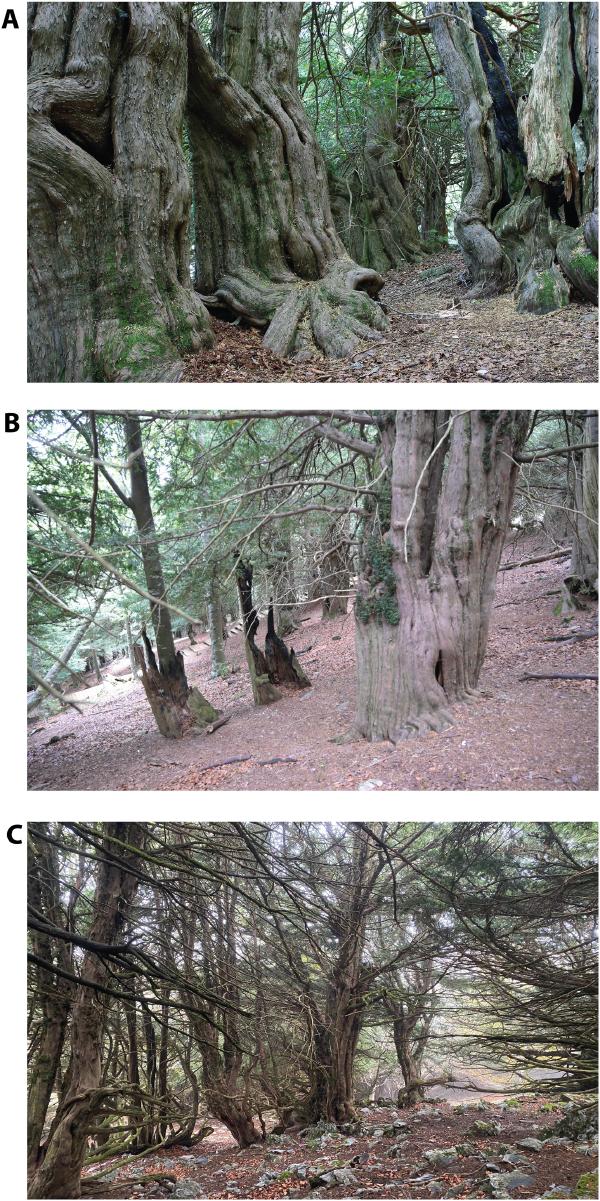
The European yew (Taxus baccata) is a long-lived conifer of ecological, cultural, and historical importance across Eurasia. Despite its remarkable resilience, wide distribution, and symbolic importance, the species has experienced a long-term decline due to a complex interplay of climatic fluctuations, megafaunal extinctions, human exploitation, and insufficient regeneration. Recent studies in palaeoecology, archaeology, dendroecology, and conservation have revealed a species with greater ecological plasticity and a broader historical distribution than previously assumed. However, many fundamental questions remain unresolved, particularly regarding its biogeographical history, population dynamics, recruitment processes, and the drivers of its decline.
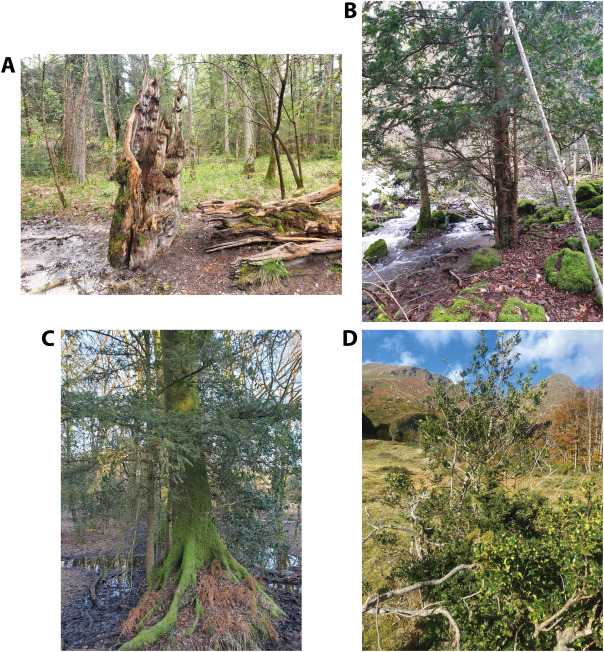
This review stems from prior investigations of yew in the French Pyrenees and, more broadly, across Europe. These efforts led to a transdisciplinary seminar and opened a collaboration uniting >30 researchers across Eurasia. By synthesizing a wide array of data and perspectives, the article highlights key knowledge gaps and outlines emerging research priorities. These are organized thematically—past, present, and future—and include 25 questions on the species' ecological niche, life-history strategies, human interactions, genetic resilience, and conservation under global change. The article advocates for a shift towards integrative and long-term conservation strategies that embrace the historical legacies of yew populations, the general ecology of the species along with local ecological context dependence, and the urgency of future threats. By identifying pressing research needs, this review seeks to lay the foundation for new collaborative initiatives and to support evidence-based conservation of this emblematic yet understudied species.
Lire l'intégralité de l'article sur le site sciencedirect.com